
Hands-On Cognitive Retraining
Rebuilding executive functioning, spatial reasoning, and fine motor skills through structured, complex assembly tasks designed for Traumatic Brain Injury (TBI) recovery.
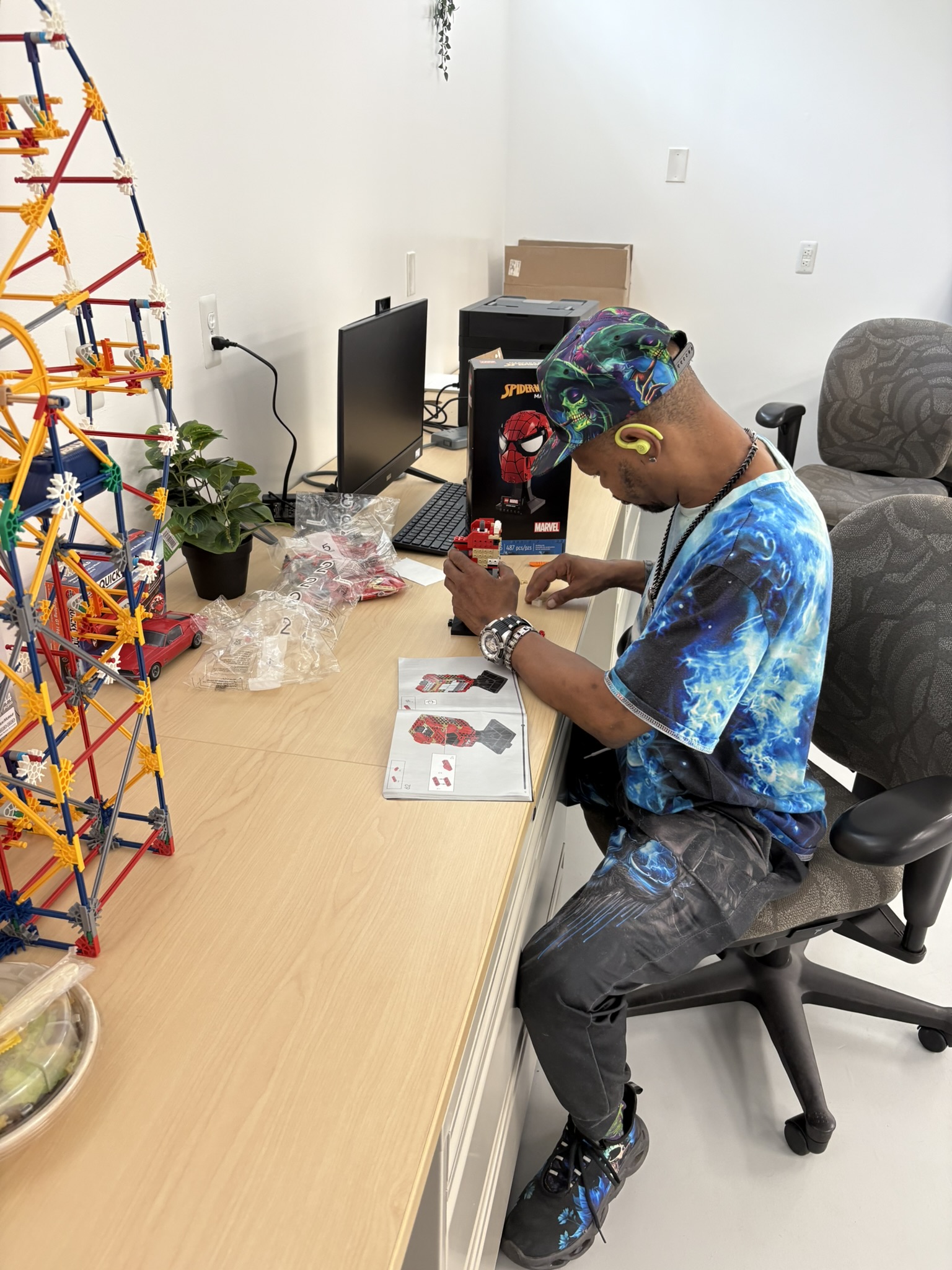
Sequential Instruction Following
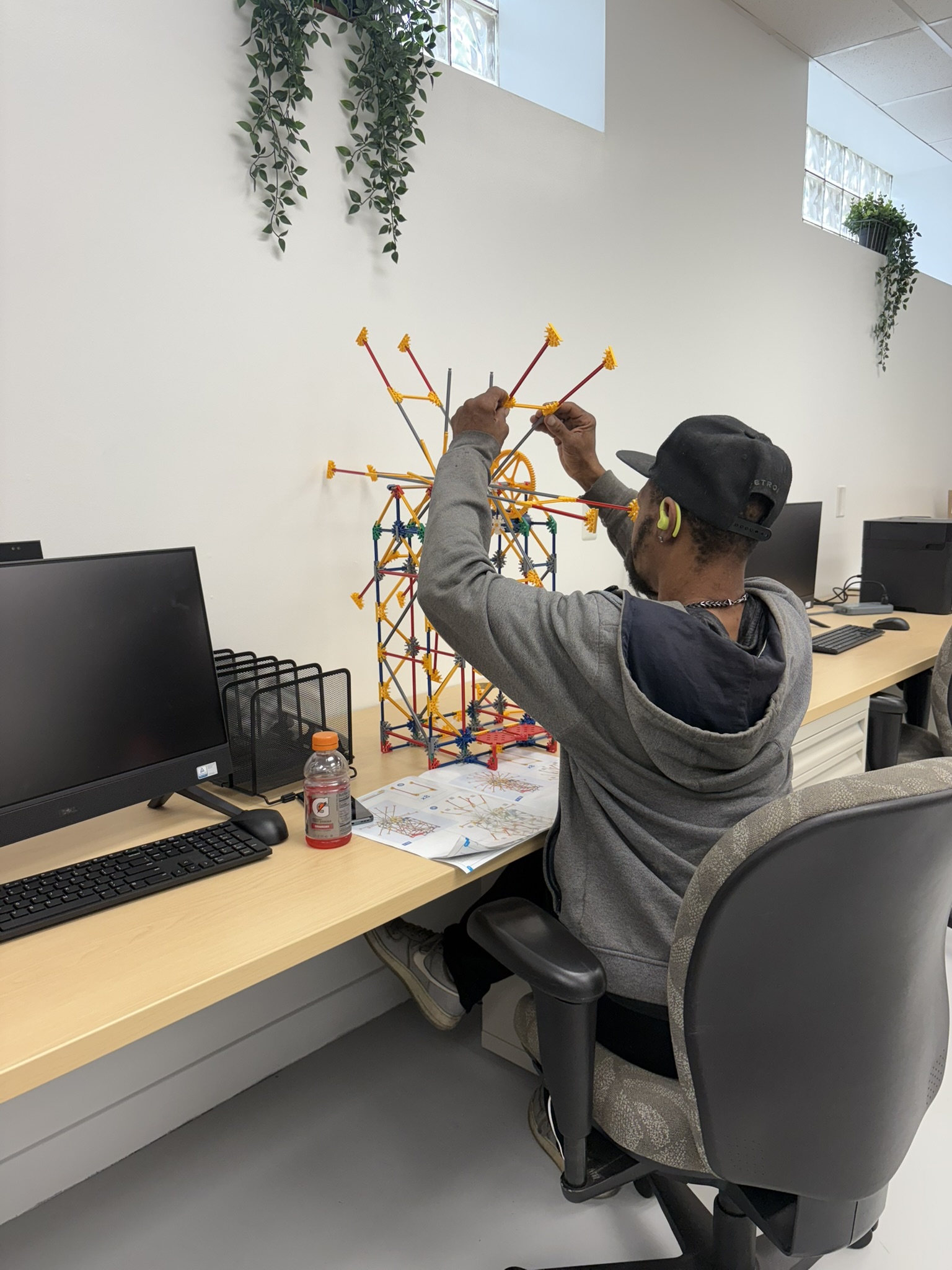
Spatial Reasoning & Dexterity
Rebuilding Neural Pathways
For individuals recovering from a Traumatic Brain Injury, regaining executive function requires targeted, repetitive, and engaging exercises. We utilize complex assembly projects—such as advanced Lego and K'NEX models—as highly effective therapeutic tools.
These hands-on activities are not merely recreational; they are carefully selected clinical exercises that demand intense focus, frustration tolerance, and the ability to translate two-dimensional instructions into three-dimensional objects.
- Executive Functioning: Planning, organizing, and executing multi-step processes to reach a final goal.
- Spatial Reasoning: Understanding how individual components fit together in three-dimensional space.
- Fine Motor Recovery: Improving hand-eye coordination, grip strength, and dexterity through precise manipulation of small parts.
- Cognitive Endurance: Gradually increasing the ability to sustain attention and manage frustration during challenging tasks.