
Your Roadmap to Returning to Work

Navigating the journey back to employment after injury can be daunting. We provide the guidance, accommodations, and confidence you need to succeed.

Start Your Plan

A Process, Not a Switch

Returning to work isn't about flipping a switch and going back to exactly how things were. It's a gradual process of rebuilding stamina, adjusting workflows, and finding a new rhythm that supports your recovery.

Common Fears vs. Reality

❓ Fear: "I'll get too tired."

"I don't have the energy to work an 8-hour day anymore."

✅ Reality: Gradual Return

We often start with part-time hours or flexible schedules, slowly building up stamina over weeks or months.

❓ Fear: "I can't do the tasks."

"My injury makes it hard to lift heavy boxes or focus on screens."

✅ Reality: Accommodations

Simple changes—like lifting aids, screen readers, or quiet workspaces—can make the job doable again.

❓ Fear: "My boss won't understand."

"I'm afraid to ask for help or look weak in front of my team."

✅ Reality: Advocacy

We communicate with your employer for you, explaining your needs professionally and setting clear expectations.

Small Changes, Big Impact

🪑

Ergonomics

Adjustable desks, specialized chairs, and lighting to reduce physical strain.

Scheduling

Flexible start times or frequent short breaks to manage fatigue.

🧠

Cognitive Aids

Checklists, alarms, and noise-canceling headphones to support focus.

For Employers: Retain Your Talent

Hiring and training new staff is expensive. We help you retain your experienced employees by designing sustainable return-to-work plans that keep them productive and safe.

Consult with Us

Practical Work Simulation & Situational Assessments

Providing objective, observable data on physical endurance, mechanical aptitude, and gross motor skills to ensure safe and sustainable return-to-work outcomes.
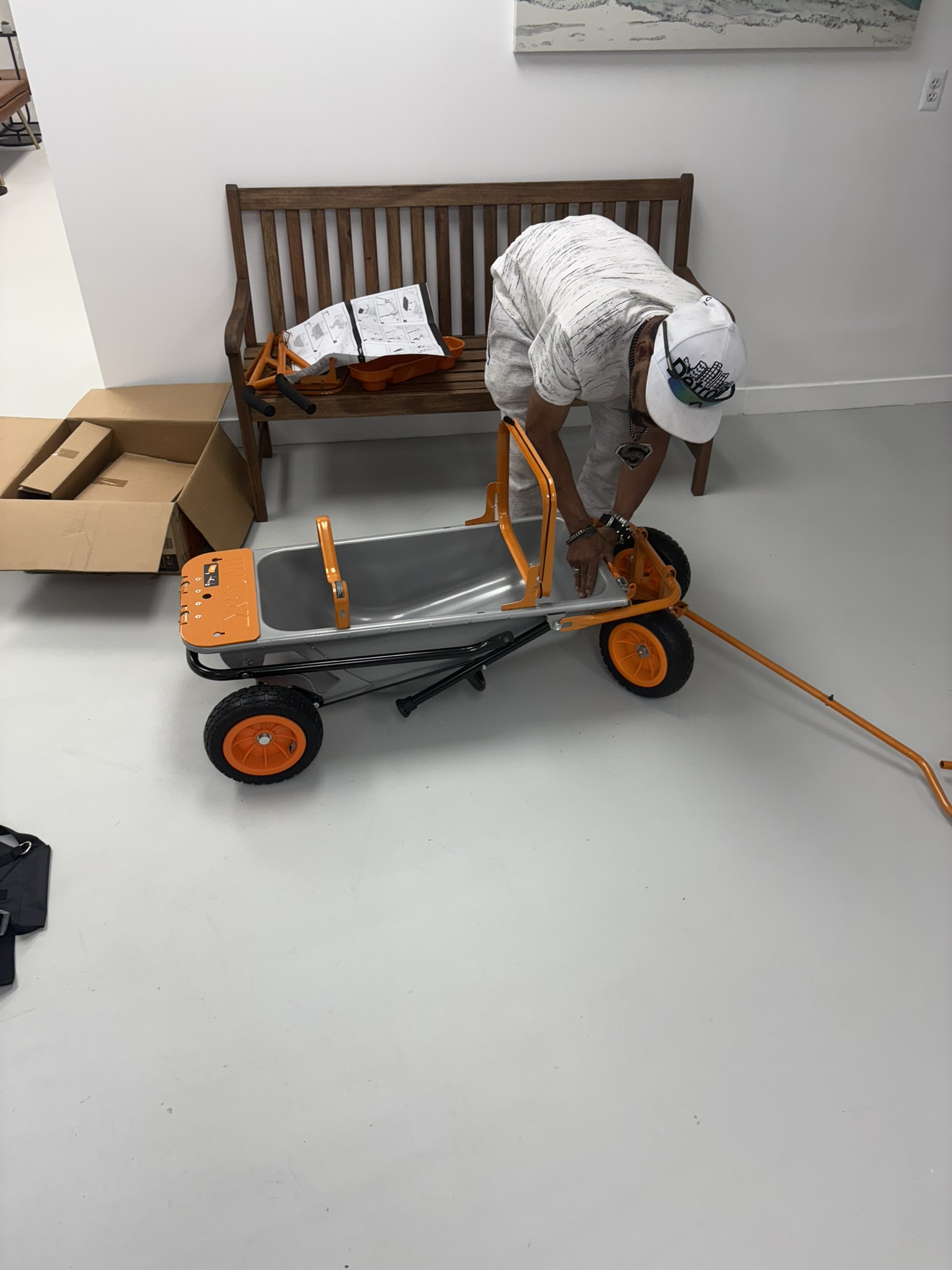
Client engaging in a practical work simulation by assembling a mechanical wagon at Mid State Vocational Rehabilitation

Evaluating Real-World Readiness

To accurately determine a client's readiness to re-enter the workforce, particularly in physical or mechanical roles, we utilize hands-on situational assessments. Activities like our wagon assembly simulation provide critical insights that standard clinical tests cannot replicate.

These simulations allow our therapists, as well as referring case managers and adjusters, to observe the client's physical capabilities, problem-solving skills, and stamina in a controlled, work-like environment.

  • Physical Endurance: Assessing the ability to sustain physical activity, bending, lifting, and reaching over extended periods.
  • Gross Motor Skills: Evaluating coordination, strength, and range of motion during mechanical tasks.
  • Safety & Body Mechanics: Observing the client's adherence to safe lifting and assembly practices to prevent re-injury.
  • Objective Reporting: Generating concrete data on work tolerances to inform accurate return-to-work recommendations.
Scroll to Top